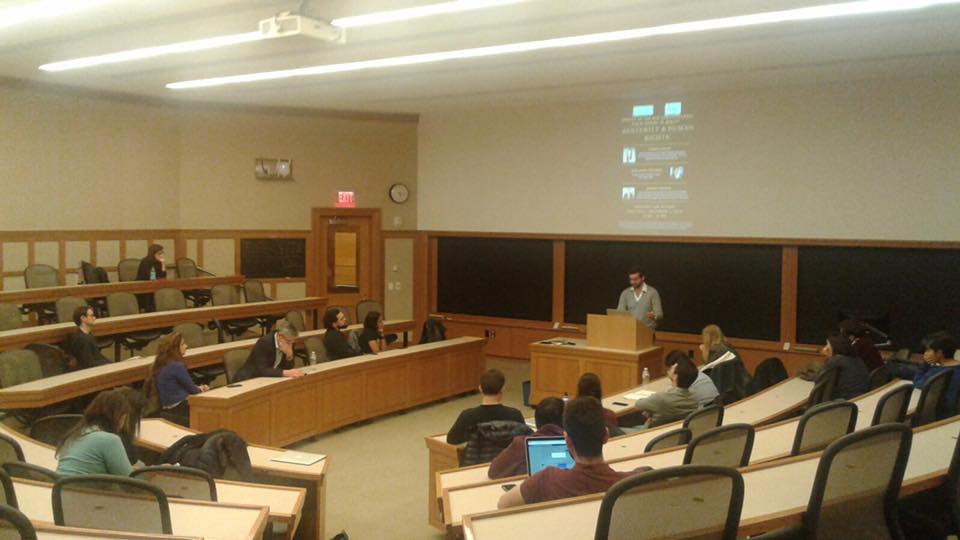
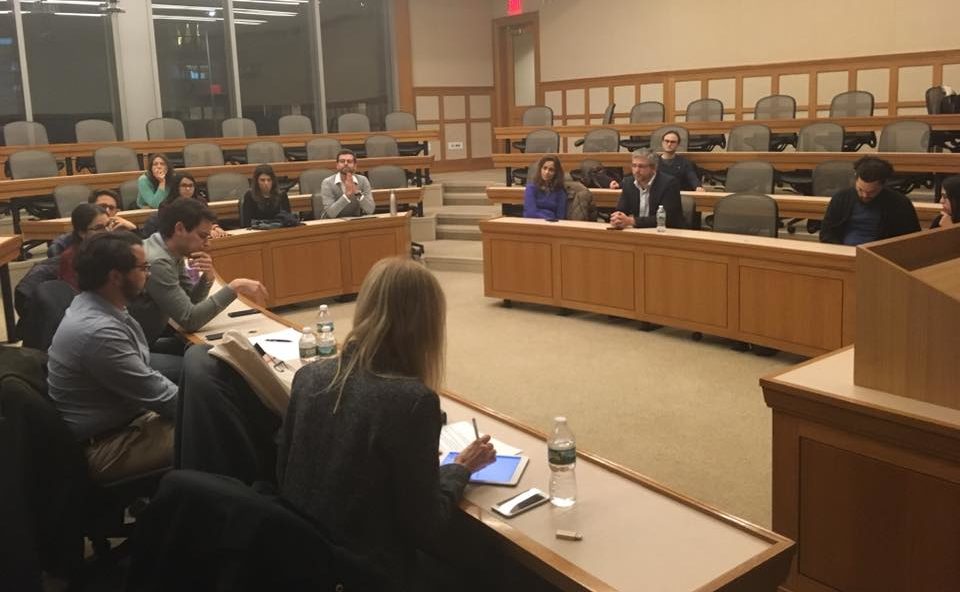
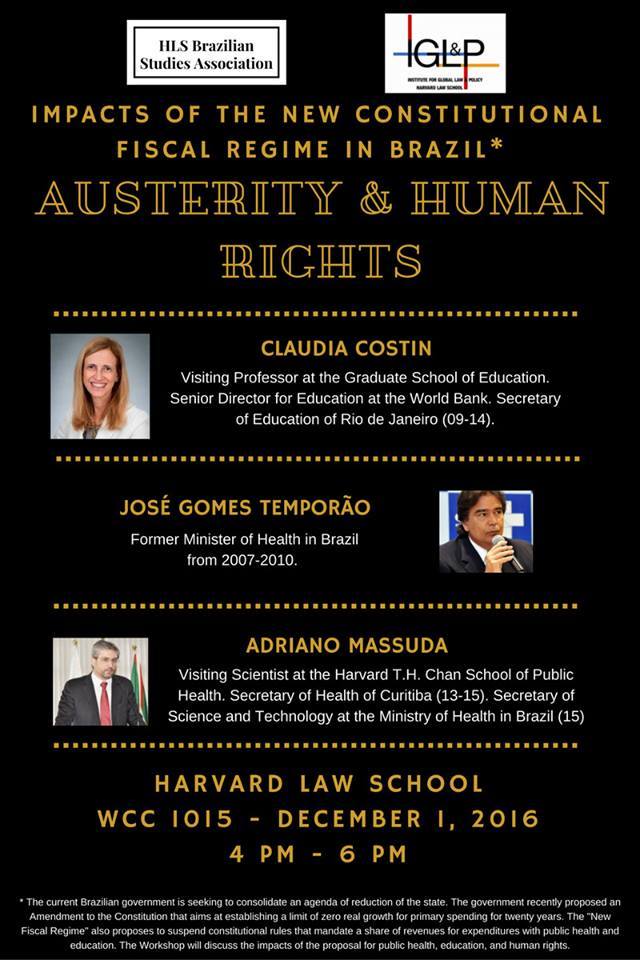
 The Brazilian government led by the center-right Brazilian Democratic Movement Party (PMDB) is seeking to consolidate a long term agenda of reduction of the state. The government proposed an Amendment to the Constitution, recently approved by the Congress, that institutes what has been called a “New Fiscal Regime” . The regime establishes a limit of zero real growth for primary spending for twenty years. The New Fiscal Regime also suspends the constitutional vinculation of revenues for expenditures with public health and education. This vinculation was adopted after intense mobilization of civil society as a way to guarantee public funding for those areas and is considered to be fundamental to enable the state to ensuring the infrastructure of basic social services. The Workshop invited former Brazilian Minister of Reform of the State and Senior Director for Education at the World Bank, Claudia Costin, and former Secretary of Science and Technology at the Brazilian Minister of Health and Visiting Scientist at the Harvard T.H. Chan School of Public Health, Adriano Massuda, to discuss the impacts of the proposal for public health, education, economics and human rights.